Abney Park rubbish removal rules for Stoke Newington
Getting rid of waste near Abney Park sounds straightforward until you are standing there with a bag of broken shelving, a mattress, or a heap of garden clippings and realise the rules are a bit more specific than expected. Abney Park is not just any patch of green in Stoke Newington; it is a sensitive, well-used local space, so rubbish removal needs a bit of care, a bit of common sense, and, truth be told, a little planning.
This guide explains the practical side of Abney Park rubbish removal rules for Stoke Newington: what matters, how to stay on the right side of local expectations, what to do before you book clearance, and how to avoid the kind of mistakes that turn a simple job into a messy one. If you are clearing a nearby home, flat, garden, or business premises, this will help you make better decisions and waste less time.
For readers who want broader help beyond Abney Park itself, you may also find our pages on waste removal, house clearance, and flat clearance useful when planning a larger clearance job in the area.
Table of Contents
- Why Abney Park rubbish removal rules for Stoke Newington Matters
- How Abney Park rubbish removal rules for Stoke Newington Works
- Key Benefits and Practical Advantages
- Who This Is For and When It Makes Sense
- Step-by-Step Guidance
- Expert Tips for Better Results
- Common Mistakes to Avoid
- Tools, Resources and Recommendations
- Law, Compliance, Standards, or Best Practice
- Options, Methods, or Comparison Table
- Case Study or Real-World Example
- Practical Checklist
- Conclusion
- Frequently Asked Questions
Why Abney Park rubbish removal rules for Stoke Newington Matters
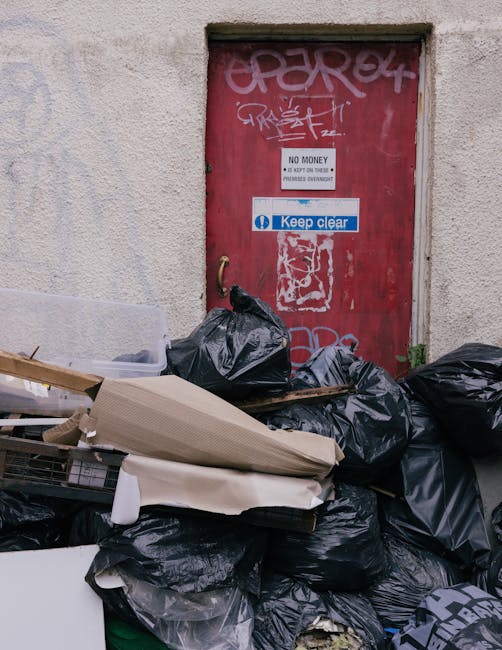
Abney Park sits in a part of London where footfall, heritage sensitivity, and everyday residential use all overlap. That matters because rubbish removal near a park is not only about getting rid of waste; it is about doing it without creating hazards, nuisance, or avoidable friction for other people using the area. A bag left in the wrong place can block a path. A loose chair leg can become a trip risk. A pile of mixed rubbish can attract fly-tipping reports in no time.
In a busy local setting like Stoke Newington, rules and expectations also shape how removal is carried out. Residents want the area kept tidy. Park visitors expect clear routes and clean edges. Nearby property owners often need clearance done quickly, but not carelessly. That balance is really the heart of the issue.
There is also a practical reason this matters: waste that is not sorted properly often costs more to remove later, and may need additional handling. If you are dealing with a bigger job, such as a garage clear-out or a full property clearance, it often makes sense to check related services like garage clearance or home clearance early, before the pile grows into something awkward.
Expert summary: The safest approach near Abney Park is simple: keep waste contained, keep access clear, separate bulky items from loose rubbish, and plan collection so nothing is left hanging around. Small details, oddly enough, make the biggest difference.
How Abney Park rubbish removal rules for Stoke Newington Works
There is no magic trick here. Good rubbish removal near Abney Park usually follows the same basic logic every time: identify the waste, decide what can be reused or recycled, make sure nothing obstructs public access, and arrange collection in a way that is tidy and safe.
For many jobs, the process starts with sorting. General household waste is one thing. Furniture is another. Green waste, builders' waste, and office junk each bring their own handling considerations. If you mix everything together, you make the job harder for everyone, including the crew doing the lifting. You will notice that most efficient clearances start with a quick sort before anything is moved.
In practice, local rubbish removal near a park tends to work best when the waste is:
- kept off walkways and entrances;
- bagged or bundled where possible;
- separated into bulky, recyclable, and non-recyclable items;
- removed during agreed collection times;
- handled with care around pedestrians, cyclists, and park visitors.
If the waste comes from a renovation or repair project, it may be more sensible to use a specialist route like builders waste clearance. If it is mainly tables, wardrobes, chairs, or similar items, then furniture disposal may be the cleaner fit.
One small but important point: if you are clearing waste from a business premises near the park, the needs are a bit different. Business waste should not be treated like an afterthought. A dedicated route such as business waste removal is often the calmer option.
Key Benefits and Practical Advantages
Following the right rubbish removal approach near Abney Park is not just about compliance or tidiness. It can make the whole process easier on your nerves. And let's face it, clearance jobs already have a way of taking over your weekend.
Here are the main benefits people usually notice:
- Less disruption: A planned removal keeps pavements, gates, and shared access points clear.
- Better safety: Reduced risk of slips, trips, and awkward lifting in narrow spaces.
- Cleaner presentation: Helpful if you are selling, letting, or preparing a property.
- Faster removal: Sorting waste properly usually speeds up collection.
- More recycling potential: Separate items are easier to recover and divert from disposal.
There is also the confidence factor. When you know your rubbish is being handled sensibly, you can focus on the next task rather than worrying whether something has been left in the wrong place or mixed up with the wrong material.
For people clearing out a larger property, combining services can be efficient. A loft full of old boxes? Consider loft clearance. A whole family home needing a proper reset? house clearance tends to be the more comprehensive route.
Who This Is For and When It Makes Sense
This topic matters to a fairly wide range of people, and not just those living right beside the park. In everyday life, rubbish tends to build up in small bursts: after a move, after a clear-out, after a renovation, after the gardening gets out of hand. Then all at once, it feels urgent.
It is especially relevant for:
- homeowners preparing for a sale or refurbishment;
- tenants clearing a flat before check-out;
- landlords dealing with left-behind belongings;
- business owners near Stoke Newington trying to keep premises tidy;
- people clearing garages, lofts, sheds, or gardens;
- builders and tradespeople with leftover rubble, timber, or packaging.
If your rubbish is mostly from a smaller home or apartment, flat clearance may be the natural fit. If it has accumulated in the garden after a few long weekends and a bit of over-enthusiastic pruning, then garden clearance is often the easier answer.
People often ask themselves, "Can I just leave it for later?" Sometimes, yes. But if the waste is near a public route, close to the park, or likely to get in the way, later has a way of becoming a problem. Fast.
Step-by-Step Guidance
If you want to keep things simple, follow a process. It sounds obvious, but it works. Here is a sensible step-by-step approach for rubbish removal around Abney Park and the wider Stoke Newington area.
- Walk the site first. Look at what needs to go and where it is currently stored. Check for access issues, steps, narrow halls, or shared entrances.
- Separate the waste. Put furniture, general waste, green waste, and construction debris into different groups if you can.
- Remove anything reusable. If there are items that can be donated, reused, or kept, set them aside before collection day.
- Check for special items. Paint, sharp objects, electrical items, and anything potentially hazardous need extra caution.
- Choose the right removal method. A full clearance, partial clearance, or targeted collection will each suit different jobs.
- Book at a practical time. Try to avoid peak congestion, school-run traffic, or times when access is tight.
- Prepare the load area. Keep everything together but out of the way, so the collection can be completed without drama.
- Confirm recycling and disposal expectations. If you care about sustainability, ask how the waste will be handled.
A lot of people underestimate step 1. They think the waste itself is the issue. Often, it is actually the route out that causes the headache. A slightly awkward stairwell, one narrow gate, or a damp pavement after an autumn shower can change the whole picture.
Expert Tips for Better Results
There are a few habits that make rubbish removal go much smoother, especially around a place like Abney Park where you are balancing private clearance with a busy public environment.
- Keep a staging area neat. A tidy pile is easier to assess, lift, and load.
- Label awkward items. If something has sharp edges or heavy contents, say so clearly.
- Use strong bags and boxes. Weak packaging wastes time and tends to tear at the worst moment. Naturally.
- Think in categories, not single items. One chair is easy. Ten chairs plus a table plus mixed clutter is a job that needs planning.
- Build in a margin of time. Rushing creates mistakes, and mistakes create mess.
If you are dealing with business premises, consider whether the work could be wrapped into an ongoing arrangement. Our office clearance service, for example, suits people replacing desks, filing cabinets, and old equipment without turning the place upside down for days.
A useful rule of thumb: if you are hesitating over whether an item should be kept, recycled, donated, or removed, decide before the removal day, not during it. That moment on site is rarely the best moment for philosophical debates about a broken bookshelf.
Common Mistakes to Avoid
Most rubbish removal problems are not dramatic. They are small oversights that pile up. Here are the ones that crop up again and again.
- Leaving waste in a public or shared area for too long. That can create complaints and extra risk.
- Mixing all materials together. It makes recycling harder and can slow the job down.
- Underestimating bulky items. Wardrobes, mattresses, and broken furniture always take more space than people think.
- Forgetting about access. A vehicle can only help if it can reach the load safely.
- Ignoring awkward materials. Sharp metal, plasterboard, and damp waste often need special attention.
- Booking too late. If you wait until the pile is in the way, the job becomes more stressful and sometimes more expensive.
To be fair, most people only make one or two of these mistakes. The trouble is that one small mistake can trigger the next. A missed access check leads to delay, delay leads to awkward stacking, awkward stacking leads to damage or spillages. It snowballs a bit.
Tools, Resources and Recommendations
You do not need a warehouse of specialist kit to manage a normal clearance, but a few basic tools make life easier. Think practical, not fancy.
- Heavy-duty sacks and boxes for general waste and mixed household items.
- Gloves for handling rough, dusty, or sharp items.
- Tape and labels for marking recyclable, reusable, or fragile items.
- Measuring tape if you need to check whether bulky items will fit through doors or down stairs.
- A simple room-by-room list to keep the job organised.
For larger clearances, it can help to pair those basics with a proper service plan. If you are unsure how much of a job you really have, our pricing and quotes page is a sensible place to start. For the sustainability-minded, the recycling and sustainability page is also worth a look because waste handling should not feel like a black box.
And if the job involves an entire property, a garden, and the garage all at once, it may be smarter to combine services rather than book three separate visits. That is usually the cleaner, calmer route.
Law, Compliance, Standards, or Best Practice
When waste is being removed near a public place like Abney Park, compliance and best practice matter. The exact legal responsibilities can vary depending on the type of waste, who owns it, and how it is transferred or collected, so it is wise to be cautious rather than casual.
In ordinary UK practice, the key expectations are straightforward:
- waste should not be fly-tipped or abandoned;
- hazardous or sharp materials should be handled carefully;
- items should be collected and transported in a safe, lawful way;
- public access routes should remain clear where possible;
- the person arranging removal should know what is being taken away.
Best practice also means being honest about what is in the load. If something contains chemicals, batteries, or broken glass, say so. That is not over-cautious. It is just sensible. Same with heavy furniture or mixed builders' debris.
If you are working around a park boundary, a path, or a shared residential access point, take extra care with stacking and loading. In plain English: do not turn the pavement into a temporary storage room.
For clients who want reassurance on how a clearance company operates, policies such as health and safety policy, insurance and safety, and terms and conditions are useful reading. They help set expectations before anything is moved.
Options, Methods, or Comparison Table
Different clearances suit different situations. Here is a practical comparison that may help if you are deciding how to proceed.
| Method | Best for | Strengths | Watch-outs |
|---|---|---|---|
| Self-clearance | Small loads, a few bags, light household waste | Flexible timing, direct control | Time-consuming, lifting risk, disposal logistics |
| Partial clearance | One room, one area, or a defined pile of items | Efficient, focused, easier to budget | Needs good sorting and clear access |
| Full property clearance | Moves, probate, major decluttering, end-of-tenancy | Comprehensive, saves time, less stress | Requires planning and clear item instructions |
| Specialist waste removal | Builders' waste, business waste, mixed bulky materials | Better handling of specific waste streams | May need more detail before collection |
For many local residents, the simplest route is not the cheapest-looking one at first glance. It is the one that avoids re-handling waste, second trips, and the usual "we thought it would all fit" moment. That sentence, by the way, has caused more headaches than most people admit.
Case Study or Real-World Example
Here is a realistic example. A couple living a short walk from Abney Park were clearing a rented flat after a long tenancy. They had a broken bed base, a small wardrobe, several black bags of mixed household waste, and a few odds and ends from a cramped hallway cupboard. Nothing dramatic, but enough to feel like a lot on a Tuesday evening.
At first, they considered moving everything themselves over a couple of days. Then they realised the staircase was narrow, the lift was not ideal for bulky items, and the weather had turned damp, which meant the shared entrance was getting messy quickly. So they separated the items into furniture, general waste, and a small number of reusable bits, and arranged a clearance that could deal with the lot in one go.
The result was not glamorous. No one is cheering over a removed wardrobe. But the job was completed faster, the communal hallway stayed clear, and they avoided dragging heavy items up and down stairs twice. Small win, big relief.
That is usually how sensible rubbish removal works in real life. Not dramatic. Just tidy, timely, and one step less stressful.
Practical Checklist
Use this checklist before arranging rubbish removal near Abney Park or anywhere in Stoke Newington:
- Have I identified every item that needs to go?
- Have I separated furniture, general waste, garden waste, and builders' waste?
- Are there any sharp, heavy, wet, or hazardous items in the pile?
- Is the access route clear from the load point to the exit?
- Do I know whether the waste is from a home, flat, garden, or business?
- Have I removed anything I want to keep or donate?
- Is the collection time practical for the surrounding traffic and footfall?
- Have I checked whether I need a fuller clearance service rather than a one-off uplift?
- Do I want recycling-focused handling where possible?
- Have I kept all waste contained so it does not spread into shared or public spaces?
If you can answer yes to most of those, you are probably in good shape. If not, pause for ten minutes and tidy the plan before the waste moves. It saves a lot of hassle.
Conclusion
Abney Park rubbish removal rules for Stoke Newington are really about respect: respect for the park, respect for neighbours, respect for access routes, and respect for the practical reality of moving waste in a busy London area. When you treat the job as a small logistics task rather than a last-minute scramble, everything becomes easier.
Keep waste sorted, keep routes clear, and choose the right clearance method for the type of items you have. Whether you are handling a small flat tidy-up, a garden overhaul, or a full property clearance, the best results usually come from calm preparation rather than rushed lifting.
Get a free quote today and see how much you can save.
And if you are still weighing things up, that is perfectly normal. A careful start often makes the whole job feel lighter, which is no bad thing at all.
Frequently Asked Questions
What are the main rubbish removal concerns near Abney Park?
The main concerns are keeping public access clear, avoiding mess or fly-tipping, and making sure waste is handled safely. Near a park, small mistakes become visible quickly, so tidy preparation matters more than usual.
Can I leave rubbish outside my property near the park for collection?
Only if it is arranged properly and does not block access or create a hazard. If waste is left out casually, it can cause complaints or be treated as abandoned. Keeping everything contained is the safer approach.
Do I need a special service for bulky furniture?
Often yes. Bulky items are easier to manage through a dedicated service such as furniture disposal or furniture clearance rather than trying to treat them as general rubbish.
What should I do with mixed household and garden waste?
Separate it if you can. Mixed waste can be harder to remove efficiently and may reduce the chance of recycling. A garden-heavy load is usually better handled through garden clearance.
Is builders' waste treated differently from normal rubbish?
Yes, in practice it usually is. Rubble, timber, plaster, and packaging often need more specific handling, so builders waste clearance is generally the better fit for renovation leftovers.
How do I know if I need a full clearance or just a small uplift?
If the waste is from one area or one type of item, a smaller uplift may be enough. If several rooms, a loft, or a whole property are involved, a fuller clearance tends to be more efficient.
What if I have items that might be reusable?
Set them aside before collection. That makes the job easier and gives you a chance to reuse, donate, or keep them. Once items are mixed into a clearance load, decisions get harder.
Are there safety issues I should think about before removal day?
Yes. Sharp edges, heavy lifting, damp surfaces, stairs, and broken items all matter. A quick safety check is worth doing, especially in older Stoke Newington properties with tight access.
Can rubbish removal help with end-of-tenancy cleaning up near Abney Park?
Absolutely. End-of-tenancy clearances often include furniture, leftover bags, and general clutter. A flat clearance service is usually a good starting point when time is tight.
How do I keep the process environmentally sensible?
Sort items where possible, separate reusable goods, and use a provider that pays attention to recycling and sustainability. That way, less waste ends up being treated as one big mixed load.
What if I am clearing a business near Stoke Newington?
Business waste should be dealt with as business waste, not just bundled into a domestic clear-out. A dedicated business waste removal approach is usually the right one for office, shop, or workspace rubbish.
Where can I find more help if my clearance is bigger than expected?
If the job is expanding beyond what you first thought, look at options like house clearance, home clearance, loft clearance, or garage clearance. Bigger jobs usually become easier once the right category is chosen early.