Essential Waste Prevention Techniques for Every Home
Waste prevention is a critical cornerstone for an eco-friendly lifestyle, improved household efficiency, and significant cost savings. With environmental challenges on the rise, learning effective waste reduction methods is not just responsible--it's essential. This comprehensive guide dives into the most practical and impactful strategies every household should adopt to minimize waste, save money, and support a sustainable future.
Why Waste Prevention Matters in the Modern Home
Modern households are bigger contributors to global waste than ever before. From plastic packaging to food scraps, these leftovers pile up in landfills, contributing to pollution and greenhouse gas emissions. Preventing waste at the source is the most efficient way to reduce your environmental impact. It saves valuable natural resources, cuts down on clutter, and can significantly lower your expenses. In this article, we'll explore essential waste prevention techniques every home can adopt to make a meaningful difference.
Understanding Household Waste: The Big Picture
Before diving into the solutions, let's take a quick look at the main types of home-generated waste:
- Food waste: Spoiled, expired, or unused food items.
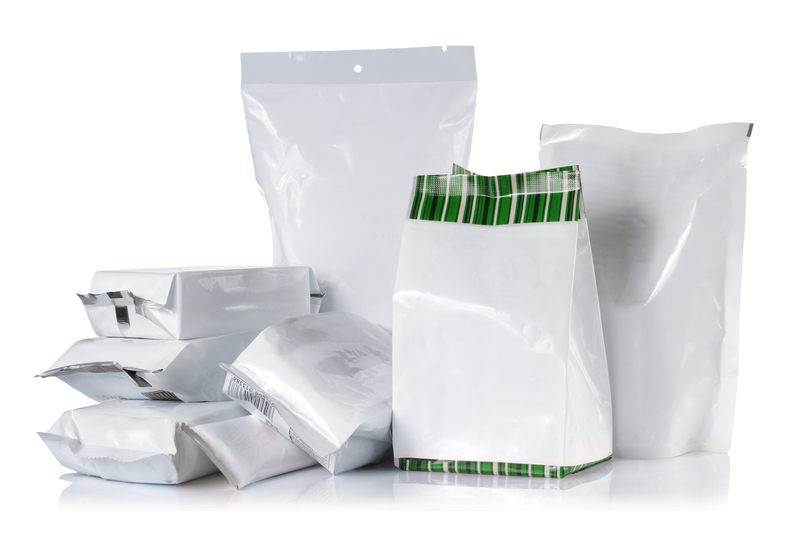
- Packaging waste: Plastics, cardboard, and other materials from product packaging.
- Textile waste: Worn-out or unused clothing and fabrics.
- Electronic waste: Old gadgets, appliances, and batteries.
- Paper waste: Newspapers, mail, packaging, and paper goods.
- Single-use items: Items like straws, cutlery, coffee cups, and more.
Understanding the types of waste helps target the most effective waste reduction strategies for your home.
Top Waste Prevention Techniques for Every Household
Ready to streamline your home and make a real difference? Let's explore the most vital ways to prevent waste in the home--organized by category for clarity and ease of action.
1. Master Meal Planning to Reduce Food Waste
- Create a weekly meal plan to avoid over-purchasing and last-minute takeouts.
- Make a detailed shopping list and stick to it, buying only what your household truly needs.
- Store foods correctly for maximum shelf life--use airtight containers, refrigerate perishables promptly, and keep an eye on expiration dates.
- Practice first-in, first-out: organize your fridge and pantry to use older items before newer ones.
- Look for creative ways to use leftovers--think stir-fries, soups, and casseroles.
According to the Food and Agriculture Organization (FAO), up to one-third of all food produced gets lost or wasted. By adopting meal planning and smart storage techniques, your household can substantially reduce its food footprint.
2. Shop Smart: Buy in Bulk and Mind Packaging
- Choose products with minimal or no packaging. Bring reusable produce bags and containers to the store.
- Purchase in bulk whenever possible. Bulk buying reduces packaging, saves money, and allows portion control.
- Support brands with sustainable packaging initiatives. Look for compostable, recyclable, or biodegradable options.
- Avoid single-use products; opt for refillable or reusable alternatives.
Reduce plastic, paper, and cardboard waste by making conscious consumption choices every time you shop.
3. Embrace Reusables: The Key to a Low-Waste Lifestyle
Transitioning your home to reusables is perhaps the most effective waste prevention technique you can implement today.
- Switch disposable water bottles for stainless steel or glass alternatives.
- Use cloth napkins, reusable cleaning cloths, and durable dishware for daily use.
- Replace paper towels with washable alternatives like unpaper towels or microfiber cloths.
- Keep reusable shopping totes, produce bags, and containers handy at all times.
Reusables not only reduce household waste but also help you save over time by eliminating the need for constant repurchases.
4. Composting: Transform Waste Into a Resource
Kitchen scraps and yard waste can be transformed into valuable compost rather than sent to the landfill.
- Set up a backyard compost bin or use indoor composters for small spaces.
- Compost vegetable peels, coffee grounds, eggshells, and certain paper products like napkins.
- Avoid composting meat, dairy, and oily foods to prevent odors and pests.
- Use finished compost to fertilize your garden or potted plants--closing the loop on waste.
Composting diverts organic matter from landfills, where it would otherwise produce methane, a potent greenhouse gas. It's a key step for every eco-conscious household.
5. Donate, Swap, and Sell to Extend Product Lifespan
- Donate gently used clothing, toys, and household items to local charities, shelters, or thrift stores.
- Organize or join community swap events to exchange goods instead of discarding them.
- Sell unwanted items online through platforms like eBay, Craigslist, or local marketplaces.
Giving goods a second life is a powerful waste minimization practice that benefits both your community and the environment.
6. Opt for Quality Over Quantity
- Invest in long-lasting appliances, electronics, and clothing made of high-quality materials.
- Choose products with warranties or repairable designs whenever possible.
- Maintain and repair items instead of throwing them away--learn basic sewing, gluing, or DIY repair skills.
Quality items often cost more upfront but deliver greater value and much less waste over time.
7. Refuse and Reduce: Rethink Everyday Choices
- Politely decline free promotional items, excess packaging, or single-use plastics offered to you.
- Cancel subscriptions to print catalogs, magazines, and unwanted mail to cut down on paper waste.
- Befriend the minimalist philosophy: purchase only what you truly need.
Refusing what's unnecessary is arguably the most powerful waste prevention strategy. Every item you don't bring home prevents future waste.
8. Recycle Responsibly (But Rethink Recycling as a Last Resort)
While recycling is important, prevention and reuse should come first. Recycling processes require energy and have their own environmental impacts.
- Understand your local recycling rules--improper recycling can lead to contamination and landfill disposal.
- Prioritize reducing and reusing over recycling whenever possible.
- If you must recycle, make sure items are clean, dry, and sorted correctly.
Rethinking recycling helps you focus on upstream solutions that offer bigger environmental benefits.
9. Green Cleaning: DIY Solutions to Cut Down Packaging
- Make your own cleaning products from household staples like vinegar, baking soda, and lemon.
- Use refill stations or buy concentrated cleaners to minimize plastic bottle waste.
- Opt for eco-friendly cleaning tools made of bamboo or recycled materials.
Homemade and bulk cleaning supplies reduce both waste and harmful chemicals in your home environment.
10. Sustainable Paper Practices
- Set up digital billing and communications to minimize paper waste.
- Use both sides of every sheet, and repurpose scrap paper for notes and lists.
- Buy recycled-paper products and encourage kids to use digital devices for schoolwork when appropriate.
Small changes in paper use can substantially decrease your household's share of tree and water consumption.
Waste Reduction Tips for Specific Areas of the Home
Kitchen Waste Prevention Techniques
- Labelling leftovers with dates to avoid spoilage
- Switching to beeswax wraps or silicone lids instead of cling film
- Establishing a regular "fridge clean-out" night
- Preparing homemade snacks in reusable containers for lunch boxes or outings
Bathroom Waste Reduction
- Using bar soaps over bottled soap and shampoo
- Implementing reusable facial rounds and cloth tissues
- Opting for sustainable menstrual products like cups or washable pads
Laundry Room Efficiency
- Washing full loads only to save water and detergent
- Switching to concentrated powders or laundry strips with less packaging
- Hanging clothes to dry to extend lifespan and save energy
Home Office and Study Areas
- Digitizing old files and responsibly recycling outdated electronics
- Using refillable pens, and recycled paper, and printing only when necessary
Getting the Whole Family Involved in Waste Prevention
Waste reduction should be a team effort. Here are some simple ways to get every member of the household involved:
- Set clear, visible waste prevention goals for the household.
- Encourage children to lead or participate in recycling and composting chores.
- Share regular updates on your progress towards a lower-waste lifestyle to keep motivation high.
- Involve the family in creative upcycling or DIY projects using old materials.
The more engaged your household is, the easier it is to form lasting, positive waste prevention habits.
Mistakes to Avoid: What NOT to Do in Home Waste Prevention
- Overbuying "eco-friendly" products you don't actually need. Waste is waste--only buy what's necessary.
- Forgetting to use what you have before buying new items.
- Neglecting to educate yourself about your local recycling rules.
- Using convenience as an excuse. Most waste prevention strategies are easier than you think and save time in the long run.
Quick Checklist: How to Begin Your Household Waste Prevention Journey Today
- Audit your current household waste to identify the biggest opportunities for improvement.
- Set a goal: aim to reduce waste by a certain percentage in the next month.
- Choose three of the above techniques to start with--don't try to do everything at once!
- Share your mission with household members and neighbors for added accountability.
- Re-evaluate your progress regularly, and celebrate success as you go.
Every step, no matter how small, puts you and your household on a path to a more sustainable and cost-effective lifestyle.
Conclusion: Building a Low-Waste Future Starts at Home
Practicing essential waste prevention techniques for every home is not just great for the environment--it streamlines your routine, lightens your home's footprint, and inspires others to follow suit. From meal planning and composting to choosing quality goods and involving your family, you can make meaningful progress towards a zero-waste lifestyle. Start with a few strategies, and watch as your home becomes a model of sustainability, responsibility, and efficiency. The journey begins with one simple, conscious choice today!
Ready to Prevent Waste at Home?
Remember: Small changes have a big impact when adopted consistently. Share your progress, involve friends and neighbors, and keep learning about new waste reduction methods and eco-friendly habits. Together, we can help preserve our planet--one household at a time.